Skipper Balls: Common Usage Mistakes & How To Avoid Them
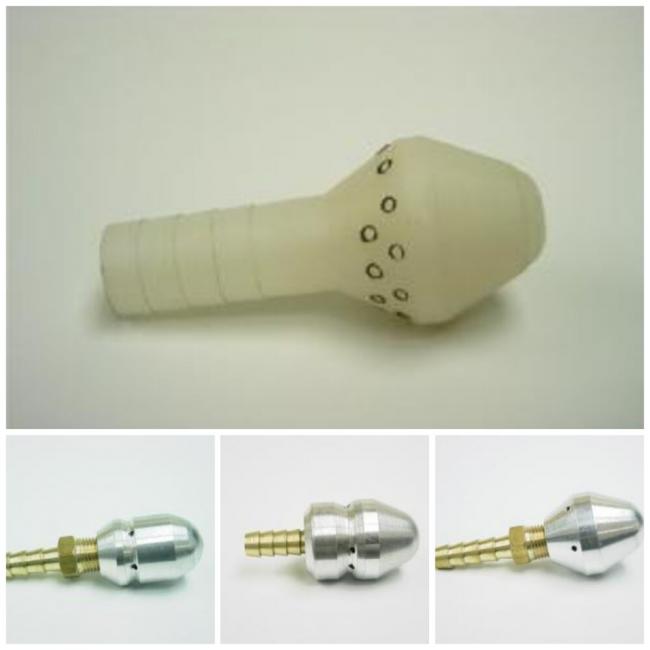
The major consequence of using skipper balls correctly is a sparkling vent that not only boosts client satisfaction but also earns you a nice recommendation. No matter which type of skipper ball you use, you should put the correct technique into practice, thus guaranteeing the effective removal of lint, debris, and other contaminants.
This means avoiding common skipper ball usage mistakes as much as possible. Because when you get it wrong, a less-than-clean vent will not be the only problem on your hands. You might end up damaging the vent, too, and in turn, your reputation.
To help you avoid such a scenario, Heat Seal Equipment Ltd. – Ontario’s number one dryer vent cleaning tools supplier, has chalked up a list of the most common onsite errors and how you can prevent them.
How To Avoid Skipper Ball Errors?
If you are in the dryer vent cleaning industry, you must have faced the occasional hiccup or two when using skipper balls on the job. Don’t worry. There is a way to avoid it. Let us show you how.
Mistake #1: Using the wrong-sized skipper ball
This might seem like a small error, but its effect is quite noticeable. Choosing a skipper ball that is either too small or too large for the vent in question can reduce cleaning efficiency. For example, an oversized one causes excessive resistance, leading to tears in the duct line. On the other hand, its smaller counterpart does not create enough surface contact to dislodge dirt.
- Solution: The key is to match the diameter of the skipper ball to the size of the vent. If you are working on a typical 4-inch dryer vent, you should use a skipper ball of either the same or a slightly lower diameter. Commercial ducts will obviously require larger-sized skipper balls.
Mistake #2: Applying too much air pressure
It might seem like a sound cleaning strategy, but excess pressure does not automatically lead to better results. If the PSI is too high, the skipper ball is forced to work aggressively, thus causing the vent to tear. Especially those made of vinyl or thin aluminum sheets. High PSI can also make it harder to control the ball’s movement.
- Solution: We suggest kicking things off with a moderate PSI and then working your way up as you go. But only if needed. Ultimately, controlled propulsion should be your goal as it works better than brute force when it comes to cleaning long vents or those with multiple bends.
Mistake #3: Using the improper feeding technique
You risk uneven movement or sudden obstruction if you insert the skipper ball too quickly into the vent. The jerk can lead the ball to a rebound like a spring, contributing to more blockages instead of cleaning them out.
- Solution: Be slow and cautious when feeding the skipper ball into the vent with the help of a duct cleaning rod. Allowing the air to guide the ball is a wise approach to take. You will feel a cycle of consistent resistance and release as the tool breaks down lint clusters. If you notice any sudden movement, stop and realign immediately.
Mistake #4: Skipping prior inspection of the system
Not conducting a visual or a camera-based inspection of the vent prior to clean-up is a bad idea. If you push a skipper ball blindly into the vent, you can easily damage it as you will not know where obstructions, bends, or disconnected systems lie.
- Solution: Inspect the vent thoroughly before every cleaning session. Identifying sharp bends and other impediments can help you avoid some serious damage.
Mistake #5: Incorrect valve control
Inconsistent pressure and ball movement are highly likely consequences of the improper use of air control valves. Sudden blasts of air can throw the ball off balance, causing unnecessary turbulence inside the vent.
- Solution: The primary fix is using high-quality air valves. They automatically offer consistent pressure flow. Plus, their smooth controls allow you to adjust airflow in a precise manner.
Conclusion
Skipper balls might be small, but they are very powerful tools that need to be used a certain way to ensure they do their job right. However, precise movement and effective cleaning are pretty much guaranteed if you avoid the mistakes listed above and use them with the right duct cleaning rods.
Wondering where you will find the best equipment to clean dryer vents? Heat Seal Equipment Ltd. offers an extensive range of premium skipper balls, rods, and other tools in Ontario. Contact us to get professional air-powered equipment today.
FAQs
What is the average lifespan of a skipper ball?
The average lifespan of a skipper ball varies from several months to a year, with factors such as usage frequency and vent conditions affecting its longevity.
Is it safe to use skipper balls in older aluminum vent systems?
Yes, but only if you maintain a low PSI and use an appropriately sized skipper ball. The key is to prevent tears or punctures.
What is the best way to store skipper balls?
The best way to store skipper balls is to keep them flat at room temperature in a spot that is devoid of heavy objects or exposed to heat.