Duct Cleaning Rods: How To Prevent Separation Inside Ducts
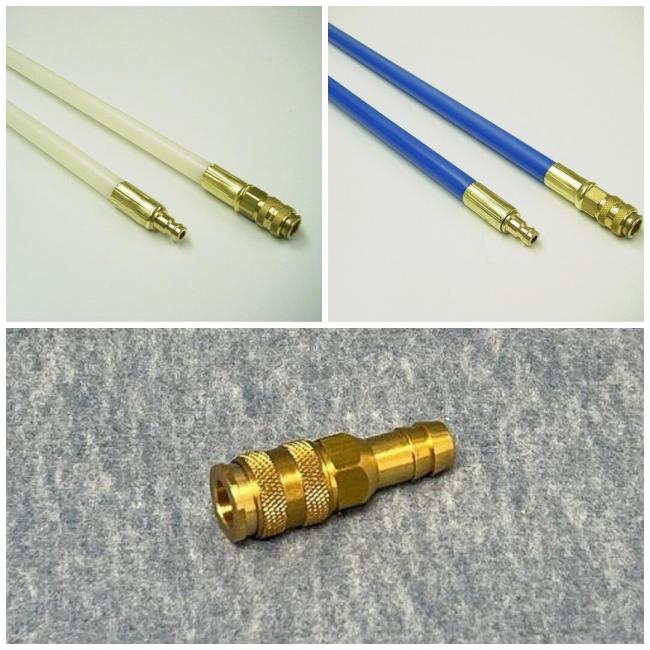
With the right duct cleaning rod in your tool kit, no vent is too challenging.
However, there is still one major issue that plagues most technicians on-site: the separation of the rods inside the duct system. The disconnection of rods mid-run is not just a hassle; it costs crews tremendous time and effort to retrieve rods and reconnect them. Not to mention, there is a real risk of damaging the duct during retrieval. All of these combined can derail an otherwise smooth job.
The good news? This disconnection is preventable.
This brief, contractor-friendly guide, prepared by us at Heat Seal Equipment Ltd., a major supplier of supreme duct cleaning tools in Ontario, will offer valuable tips to avoid rod disconnection.
Why Do Duct Cleaning Rods Separate Inside Ducts?
Let’s get one thing out of the way – the separation of duct cleaning rods mid-job is not a random occurrence. Improper connections are the number one reason to blame, along with other culprits such as excessive torque or the use of the wrong rod for the duct.
Other factors that can contribute to rod disconnection include long runs, sharp turns, and high-speed agitation. Each of these can exert tremendous pressure on connection points, causing them to loosen and fall out. In fact, they can wear out connectors faster – especially if your crew pushes the rods to work harder than their intended limit.
Fortunately, awareness of the causes of disconnection is precisely what can help you prevent them.
How To Stop Mid-Job Duct Cleaning Rod Disconnection?
In our experience, ensuring rod separation never happens is possible if you adopt the following strategies:
Use the right connection practices
You have to be thorough with how you connect two rods. After all, the possibility of separation arises even before the rod enters the duct if the connection is not right. That is why we strongly recommend double-checking each connection before starting the job.
Make sure all connections are fully seated and hand-tightened well. Also, visually inspect each connection to detect loose ones before they become a problem. Cross-threading or partially engaging connectors is not recommended, as these techniques increase the chances of separation.
Match the rod’s length to the job
While it may seem that longer rods are at a higher risk of disconnection, it couldn’t be further from the truth. Using multiple short rods to reach long distances forces you to create several connection points, which are likely to sever during intense cleaning sessions.
The simplest solution is to use longer rods to reduce the number of potential failure points. Plan rod runs strategically to strike the right balance between both reach and control. That said, if the duct is tight, you can use short rods to get better feedback. As long as you adapt the rod’s length to the geometry of the duct, the threat of disconnection can be effectively managed.
Control speed and torque
Aggressive cleaning action might seem like an effective strategy, but it can cause rods to separate quickly, thus halting cleaning altogether. The problem with high RPMs and sudden direction changes is that they put a lot of stress on connectors, causing them to become disjointed.
However, with controlled speeds, you can work your way through the most challenging ducts without causing excessive whips or vibrations. Just let this duct cleaning tool do its job. Forcing it forward is only going to increase resistance and possibly lead to a breakdown anyway.
Inspect rods regularly
Finally, like all duct cleaning tools, rods experience wear and tear too, which actually increases the odds of a mid-job disconnection. So before each run, make sure you visually inspect rods, threads, and connectors for signs of wear, cracking, or deformation. Replace damaged rods immediately to ensure smooth duct runs.
Conclusion
When using duct cleaning rods with multiple connections, the goal should be to plan for prevention rather than recovery. Because retrieving loose or disconnected rods from inside duct works is both risky and time-consuming. Just like investing in low-quality equipment is.
You can solve that problem with us, though. Heat Seal Equipment Ltd. is the number one supplier of top-notch duct cleaning tools in Ajax, Ontario. Contact us to get sturdy rods, powerful vacuums, robust hoses, and much more.
FAQs
Does rod material play a role in mid-job separation?
Yes, and so does rod type. For example, flexible rods will have different torques and vibrations as opposed to stiff ones.
Do rods need to be lubricated at their threads for stronger connections?
It is not necessary. It is best to follow the manufacturer’s guidelines as far as the lubrication of rod threads is concerned.
Can rod separation damage ductwork?
Yes. Loose rods – especially during retrieval – can scrape, dent, or puncture the interiors of ducts.